


Views: 0 Author: Site Editor Publish Time: 2026-08-15 Origin: Site


The increasing reliance on tactile, structured materials in interior design has positioned ceramic decor as a primary choice for both residential and commercial spaces. Selecting the right candle holder requires balancing aesthetic trends with functional realities, including heat resistance, wax management, spatial scaling, and surface durability. This guide provides a technical and aesthetic evaluation of popular ceramic styles, surface finishes, and application environments to streamline procurement and styling decisions. We break down the exact specifications needed for different interior setups, matching specific silhouettes to room layouts effectively. You will learn strict maintenance protocols for various glazes and structural safety standards. Understanding these variables ensures long-lasting functionality and visual appeal across any design project.
Material Superiority: Ceramic offers higher thermal mass and structural stability compared to lightweight glass or thin metals, reducing tipping hazards while providing a softer visual weight than iron or brass.
Finish Dictates Maintenance: High-gloss glazes allow for easy wax removal, while raw bisque or matte finishes require specialized cleaning to prevent permanent staining.
Application Specificity: Taper holders suit structured dining environments, whereas pierced or tealight styles are optimal for hotel spa & cafe ambient decoration.
Trend Longevity: Earthy, textured finishes—such as the speckled glaze decorative candle holder—and multi-functional reversible designs provide versatile, long-term value across minimalist, rustic, and modern interior styles.

Evaluating a Ceramic Candle Holder requires looking beyond its initial visual appeal. You must assess its structural integrity, mechanical properties, and functional design. Clay bodies react differently to heat, weight distribution, and liquid wax. Understanding these physical characteristics ensures you select pieces that perform safely in their intended environments without degrading over time.
Clay bodies must withstand localized heat from burning wicks without cracking. Wicks burn at high temperatures, and as a candle burns down, the flame moves closer to the ceramic vessel. If a flame sits too close to the wall, poor-quality clay will fracture due to thermal shock. We evaluate thermal shock resistance to ensure long-term longevity. High-fired stoneware generally performs better than low-fired earthenware in these high-heat scenarios. The density of the fired clay dictates how well it absorbs and dissipates heat. Always verify that the ceramic has been fired at appropriate temperatures to handle direct proximity to open flames. Pieces fired above 2,100 degrees Fahrenheit develop a vitreous, glass-like internal structure that handles temperature fluctuations far better than porous, low-fire alternatives.
A tall taper holder needs a low center of gravity. High-traffic areas demand exceptionally stable bases to meet safety standards. We assess weight distribution carefully. A heavy ceramic base prevents accidental tipping caused by drafts, table bumps, or vibrations from heavy foot traffic. When evaluating pedestal designs, the base diameter should ideally exceed the width of the top platform. This geometric ratio ensures the piece remains anchored even when holding a heavy, oversized wax pillar. Hollow bases reduce shipping weight but compromise stability, so solid or heavily weighted bases are always preferred for floor-standing or tall designs.
Drip-tray designs matter significantly for daily use. Lip depths protect your underlying furniture and textiles. A shallow lip allows liquid wax to overflow onto delicate surfaces, causing permanent stains on porous wood or linen. Deep, well-designed catchments keep surfaces clean and reduce your maintenance time. Look for designs featuring a distinct inner reservoir. This cavity catches rogue drips before they breach the outer rim. Effective wax containment extends the life of your wooden sideboards and linen tablecloths. For pillar holders, the containment tray should extend at least half an inch beyond the diameter of the intended candle to catch wax blow-outs caused by drafts.
Before deploying ceramic holders in a high-end residential or commercial space, run through this physical inspection checklist to verify quality:
Check the socket diameter with a standard 7/8-inch taper to ensure a snug fit without forcing the wax.
Inspect the foot ring for rough burrs or sharp glaze drips that could scratch wooden surfaces.
Tap the ceramic lightly with a fingernail; a high-pitched ring indicates a dense, well-fired body capable of handling thermal stress.
Measure the drip tray depth to confirm it can hold at least one ounce of melted wax in the event of a drafty room.
Place the holder on a perfectly level surface and press down on the edges to check for wobbling or uneven casting.
Ceramic provides a tactile, architectural presence that other materials lack. It avoids the constant polishing required by brass. It softens the harsh industrial lines associated with iron. It also eliminates the extreme fragility of thin glass. The table below outlines the functional differences between these common materials.
Material | Visual Weight | Maintenance Level | Thermal Stability | Durability Profile |
|---|---|---|---|---|
Ceramic | High (Architectural & Solid) | Low to Medium | Excellent (Dissipates heat well) | Chip-resistant if high-fired; shatters on hard impact. |
Brass / Iron | Medium (Industrial & Sharp) | High (Requires frequent polishing) | Poor (Conducts heat rapidly) | Indestructible; prone to oxidation or rust. |
Glass | Low (Airy & Transparent) | High (Shows soot and fingerprints) | Moderate (Prone to shattering) | Highly fragile; requires careful handling. |
Different environments require specific lighting solutions. The shape of the holder dictates the type of candle it supports and the mood it creates. We evaluate the most popular styles based on their design profiles, best use cases, and critical functional dimensions. Understanding the engineering behind each shape prevents procurement mistakes.
These feature vertical, structured silhouettes designed to hold standard 7/8-inch taper candles. They are best utilized as dining table centerpieces, mantelpiece symmetry accents, and sideboard styling elements. When evaluating this style, look closely at the precision-cast openings. Kiln firing causes clay to shrink by up to 12%, which often warps the socket diameter. A loose fit requires messy wax adhesives or foil wraps to keep the candle upright. Conversely, a tight fit risks splitting the wax base entirely. The internal socket should feature a slight downward taper to grip the wax securely as it is pushed into place.
Chambersticks showcase a low, dish-like base featuring a finger loop or handle. Historically, people used them for carrying light between rooms. Today, they are perfect for bedside tables, rustic mantels, and vintage-inspired residential styling. Ergonomics play a major role here. The handle must comfortably fit the hand without placing the knuckles too close to the heat source. Furthermore, the dish must be wide enough to catch drafts that cause excessive dripping during transport. A minimum dish diameter of four inches is recommended for practical use.
These designs utilize wide, flat platforms. They often feature a slight raised lip. They are designed specifically for heavy, self-contained pillar candles. They serve beautifully as floor decor, large hearth displays, and permanent architectural focal points. The surface area must easily accommodate standard pillar diameters ranging from 3-inch to 4-inch. You need a sufficient margin around the edge for unexpected wax pooling. The platform must be perfectly level; even a one-degree slant will cause a pillar candle to burn unevenly, leading to a blowout where liquid wax breaches the side wall.
These are compact, enclosed or semi-enclosed vessels. They shield the flame from drafts and diffuse the light softly. They are excellent for bookshelf accents and bathroom styling. Evaluation hinges on ventilation. The design must feature adequate airflow to prevent the ceramic from overheating. Without proper oxygen flow, the flame will suffocate, smoke heavily, and extinguish prematurely. Look for designs with wide top openings or secondary ventilation holes near the base to promote a healthy chimney effect for the flame.
Often referred to as pierced pottery, these hollow structures feature geometric or organic cut-outs. They cast intricate, moving shadow patterns across the walls. They are best used for evening ambient lighting and patio tables in dry conditions. The complexity of the cut-outs directly impacts structural fragility. Thicker ceramic walls—at least a quarter-inch thick—are absolutely required to ensure commercial durability and prevent accidental breakage during routine cleaning. Sharp interior corners on the cut-outs can create stress points where cracks originate during kiln firing, so rounded cut-outs are structurally superior.
These dual-purpose geometric shapes are highly engineered. They hold a taper candle on one end. When flipped upside down, they hold a tealight or pillar. They are ideal for modern minimalist spaces requiring versatile, space-saving decor. You must ensure absolute flat-plane stability on both ends. The design must also allow for easy wax removal from the recessed cavities without damaging the opposing side. The engineering tolerances for reversible holders are strict; if the top and bottom planes are not perfectly parallel, the candle will lean, causing uneven burning and excessive dripping.
The exterior finish of a ceramic piece dictates its maintenance schedule and visual impact. Glazes alter the porosity of the clay, sealing it against moisture and liquid wax. Production methods determine the uniformity of the final product. Understanding these trade-offs is essential for successful styling and long-term upkeep.
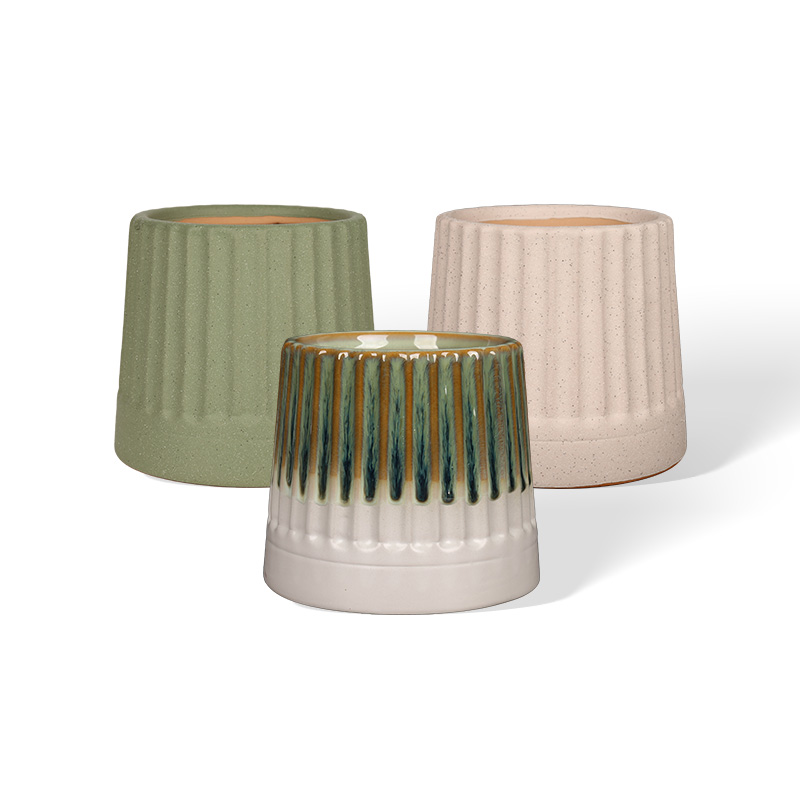
This finish offers an organic, handcrafted aesthetic. It successfully bridges modern minimalism and rustic design. The speckling is typically achieved by adding granular rutile, iron oxide, or granular clay to the liquid glaze before firing. These particles burst during the firing process, creating a textured, varied surface. However, the maintenance reality requires attention. The textured surface can trap micro-layers of soot or wax. It requires warm water immersion rather than abrasive scrubbing to clean safely. Despite this, the speckled glaze decorative candle holder remains highly popular for residential styling. It adds subtle visual texture without overwhelming a neutral color palette.
High-gloss glazes contain high levels of silica, which melts into a smooth, glass-like coating. They are highly reflective and completely non-porous. They are the easiest surfaces to clean. Melted wax typically pops off cleanly once it has cooled and contracted. In contrast, matte or satin finishes use higher levels of alumina to absorb light for a sophisticated, muted look. They are prone to scuffing from metal tools or rings. They require careful wax removal to avoid polishing the matte surface unevenly with aggressive rubbing. Over time, frequent handling can leave oily fingerprints on matte glazes, requiring degreasing dish soap to restore the original finish.
Raw bisque provides a highly tactile, architectural, and raw visual impact. It showcases the natural color and texture of the fired clay body. However, the implementation risk is high. The material remains extremely porous. Liquid wax will permanently stain the ceramic body upon contact, seeping deep into the microscopic pores. This style is best used strictly with dripless candles, glass inserts, or battery-operated LED alternatives to preserve the pristine raw finish. If a stain does occur, it is virtually impossible to remove without re-firing the piece in a kiln to burn out the organic wax material.
Production methods influence both aesthetics and scalability. Bespoke pieces are hand-thrown on a potter's wheel. They offer unique, one-of-a-kind variations in glaze thickness, shape, and height. They are ideal for high-end residential focal points where individuality is prized. Slip-cast pieces are poured into plaster molds for exact uniformity. Liquid clay, known as slip, coats the inside of the mold to create identical shapes. This method is essential for commercial bulk purchasing where identical sizing, predictable performance, and exact visual repetition are required across a large venue.
Glaze Type | Visual Characteristic | Porosity | Recommended Cleaning Method |
|---|---|---|---|
High-Gloss | Reflective, smooth, glass-like | Zero (Fully sealed) | Freezing method; wax pops off easily. |
Matte / Satin | Muted, soft, light-absorbing | Very Low | Warm water immersion; avoid abrasive sponges. |
Speckled / Textured | Organic, varied, tactile | Low | Warm soapy water; soft bristle brush for crevices. |
Raw Bisque | Earthy, chalky, natural clay | High (Unsealed) | Preventative care only; use dripless candles. |
Placing the right ceramic piece in the right environment maximizes both safety and visual impact. Residential spaces allow for delicate styling and varied heights. Commercial spaces demand rigorous uniformity, strict adherence to fire codes, and operational efficiency for daily staff maintenance.
Home environments require thoughtful placement to balance aesthetics with daily living. Shelves and sideboards benefit from low-profile votives or handled chambersticks that do not interfere with artwork or mirrors hung above them. Stable, wide-based tapers prevent accidental tipping in active households with children or pets. Styled trays and coffee tables look best with groupings of varying heights. A trio of ceramic holders creates a structured, permanent display that anchors the room. When styling dining tables, ensure taper holders are spaced at least four inches apart; placing them too close allows the radiant heat from one flame to melt the side of the adjacent candle, causing severe dripping.
Hospitality environments operate under strict safety and efficiency guidelines. Scalability and bulk purchasing are critical. Uniformity in glaze and size via slip-cast production ensures brand consistency across multiple tables or rooms. Enclosed ceramic votives minimize fire risks in high-traffic areas, preventing napkins or menus from catching fire. This makes them the premier choice for hotel spa & cafe ambient decoration. Operational efficiency dictates that high-gloss finishes are mandatory. They allow for rapid daily cleaning and quick turnaround by busy hospitality staff. Matte finishes in a commercial setting will quickly degrade due to the heavy volume of handling and wax removal required.
Environment | Primary Priority | Recommended Style | Ideal Glaze Finish |
|---|---|---|---|
Residential Dining | Aesthetic impact & height | Taper & Candlestick | Speckled or Matte |
Hotel Lobby | Scale & architectural presence | Large Pillar Pedestals | High-Gloss |
Cafe / Restaurant | Safety & space efficiency | Enclosed Votives | High-Gloss |
Spa / Wellness | Soft diffusion & mood | Pierced Lanterns | Satin or Matte |
Improper maintenance ruins ceramic glazes and compromises structural integrity. Establishing correct cleaning protocols ensures your decor investments last for years. You must handle wax removal and temperature fluctuations with care to avoid permanent damage to the clay body.
The freezing method remains the safest way to remove wax from ceramic without scratching the glaze. Place the holder in a freezer for two to three hours. Wait for the wax to contract away from the ceramic walls. Wax shrinks significantly as it freezes, breaking the bond with the ceramic surface. Once frozen, the wax pops off easily with a gentle tap or by pushing it with a wooden cuticle stick. Never use metal knives, spoons, or screwdrivers to pry wax loose, as this leaves permanent silver marks on the glaze that cannot be washed off.
Avoiding thermal shock is equally critical. Never pour boiling water directly into a cold ceramic holder to melt stubborn wax. This extreme temperature shift causes immediate cracking, splitting the vessel in half. If you must use heat to remove wax from a delicate pierced lantern that cannot fit in a freezer, immerse the piece gradually in warm water. Slowly increase the temperature by adding hotter water over ten minutes to soften the wax safely without shocking the clay.
Surface protection often goes overlooked during installation. Ensure the unglazed bottom of the ceramic holder is sanded smooth. This area is known as the foot ring, where the piece rested on the kiln shelf during firing. If it feels rough, it acts like sandpaper and will destroy wooden furniture finishes. We recommend fitting the base with adhesive felt pads or cork discs immediately upon unboxing to protect your delicate surfaces. For commercial settings, silicone dots provide better grip on glass cafe tables.
Measure your intended candle diameters precisely to ensure a secure fit within the ceramic socket before purchasing in bulk.
Assess your daily surface cleaning capabilities and staff bandwidth before committing to a porous matte finish over a high-gloss glaze.
Request physical finish samples if you are procuring items for large-scale hospitality use to verify brand consistency and test wax removal.
Apply protective felt pads or silicone dots to the unglazed foot rings immediately upon unboxing to prevent scratching your wooden surfaces.
Implement the freezing method for all wax removal to protect the integrity of the ceramic glaze and avoid metal scuff marks over time.
A: They are ideal for creating permanent, structured decor displays on shelves, sideboards, and dining tables due to their visual weight, stability, and ability to contrast with softer textiles.
A: Place the holder in a freezer for 1-2 hours until the wax hardens and shrinks, then gently pop it off with a wooden or plastic tool to avoid scratching the glaze.
A: They require slightly more care than high-gloss finishes. Use warm, soapy water to gently dissolve wax residue trapped in the textured surface rather than scraping with abrasive tools.
A: It is a multi-functional design that can hold a taper candle on one side, and when flipped over, features a wider cavity to hold a tealight or small pillar candle.
A: While ceramic is highly heat-resistant, sudden temperature changes (thermal shock) or a flame burning directly against the ceramic wall for extended periods can cause cracking.
A: Enclosed ceramic tealight holders, pierced lanterns, and low-profile votives are preferred for hospitality settings because they shield the flame, enhance safety, and provide soft, diffused lighting.
A: Yes, but unglazed ceramic is porous. If the pillar candle drips, the liquid wax will permanently stain the raw ceramic surface. Using dripless candles or a protective glass insert is recommended.


