


Views: 0 Author: Site Editor Publish Time: 2026-08-11 Origin: Site


The shift toward tactile, structured materials in interior design has moved buyer preference away from fragile glass. Homeowners now look for substantial, architecturally significant accessories that anchor a room's aesthetic. Consumers often struggle to balance aesthetic integration with functional safety. They need accessories that offer structural stability, heat resistance, and visual weight without clashing with existing room palettes. Selecting the right piece requires evaluating material composition, structural design, and specific use cases. You must consider clay type and glaze to ensure a safe, long-lasting addition to a curated space. A well-crafted Ceramic Candle Holder solves this problem by grounding a space with earthy textures while safely managing open flames. We will look at how clay density, surface finishes, and architectural shapes dictate the performance of these decor elements.

Material Superiority: Ceramic provides superior structural stability and thermal mass compared to glass, reducing tipping risks and surface heat transfer.
Aesthetic Versatility: From minimalist nordic indoor tabletop home decor to intricate architectural shapes, ceramics act as standalone sculptural art even when unlit.
Ambiance & Multi-Functionality: Beyond holding wax, these pieces cast soft, intentional shadows for a calming environment, with many modern designs doubling as vases or utilizing repurposed tableware shapes.
Maintenance Realities: Glazed ceramics offer easy wax removal, while unglazed (matte/bisque) finishes require specific preventative care to avoid permanent wax staining.
Investment Criteria: High-quality pieces are defined by their weight distribution, clay firing temperature (stoneware vs. earthenware), and compatibility with standard candle dimensions.
Separating a durable, safe holder from a cheap alternative requires looking at the manufacturing process. True quality relies on the physical density of the material, the firing temperature, and the application of a protective finish. These factors determine how well the piece withstands heat and everyday handling. When you handle a well-made ceramic piece, you immediately notice the difference in weight and surface texture compared to mass-market imitations.
High-fire stoneware and porcelain offer exceptional thermal shock resistance. Manufacturers fire these clays at extremely high temperatures, fusing the particles into a dense, non-porous material. They easily withstand the concentrated heat of a burning wick without fracturing. Low-fire earthenware remains more porous and fragile. This makes earthenware less ideal for direct flame exposure over long periods, especially if the flame burns down to the base of the socket.
Density directly affects the physical weight and stability of the holder. Heavier stoneware pieces provide a lower center of gravity. This added weight significantly reduces the risk of tipping when holding tall taper candles. When you pick up a high-quality piece, it should feel substantial and balanced in your hand. If you tap a high-fired stoneware or porcelain piece, it produces a clear, ringing sound, indicating full vitrification.
Clay Type | Firing Temperature | Porosity | Thermal Shock Resistance | Best Use Case |
|---|---|---|---|---|
Earthenware | 1,830°F - 2,010°F | High (if unglazed) | Low | Thick pillar bases, decorative non-lit displays |
Stoneware | 2,100°F - 2,370°F | Low | High | Everyday taper and tealight holders, frequent use |
Porcelain | 2,200°F - 2,600°F | None | Very High | Thin-walled, translucent ambient lighting |
Glazed surfaces feature a glass-like coating fired onto the clay. This functional advantage repels melted wax and soot, ensuring incredibly easy cleaning. Cooled wax simply pops off the smooth exterior without leaving a greasy residue. Glazes also offer endless color options, from deep reactive blues to stark, glossy whites. A high-quality glaze will feel perfectly smooth and show no signs of unintended bubbling or bare spots.
Conversely, unglazed or matte ceramics present a raw, earthy texture. This finish appeals strongly to organic design sensibilities. However, these porous surfaces easily absorb liquid wax and soot. Without protective drip trays or careful wick trimming, an unglazed piece risks permanent staining. You must weigh the aesthetic appeal of a matte finish against the functional reality of increased maintenance. If you prefer the raw clay look, you must commit to using dripless candles or secondary glass inserts.
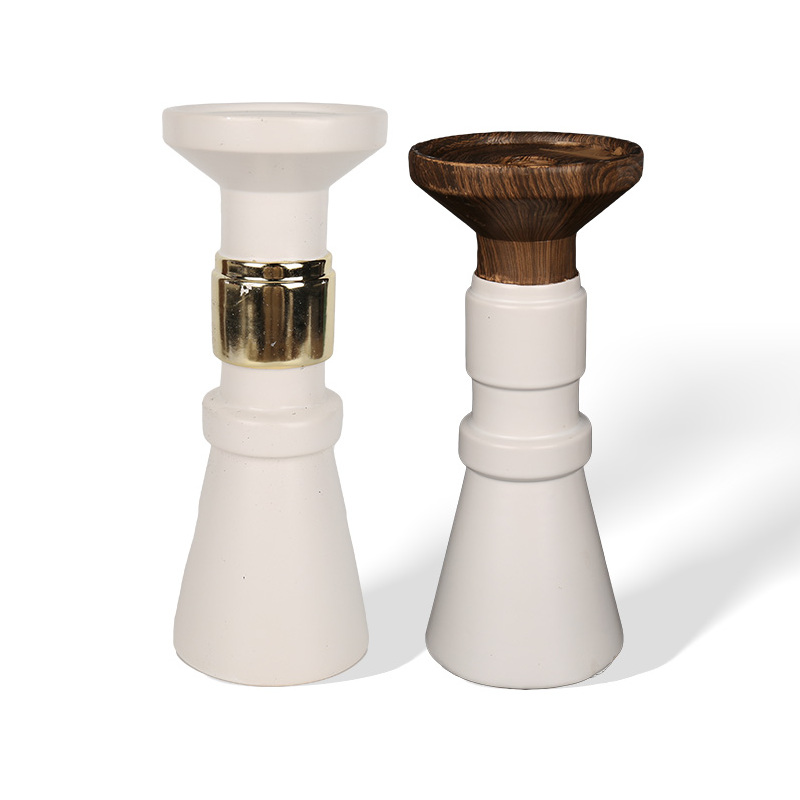
Selecting the right decor accessory requires objective performance metrics. Comparing ceramic to standard market alternatives highlights its distinct structural and aesthetic advantages. Understanding these differences helps you choose the right material for your specific environment and usage habits.
Glass diffuses light, creating a bright, scattered glow across a room. Ceramic blocks light entirely. This creates intentional, dramatic shadows that define a room's atmosphere. The opaque nature of clay allows designers to cut specific patterns into the material, directing light exactly where they want it. You can use ceramic to spotlight specific areas of a table while keeping the rest of the room in soft shadow.
Furthermore, glass immediately reveals wax residue, fingerprints, and soot buildup. A glass cylinder looks messy after a single use. Ceramic hides these imperfections flawlessly. It maintains a cleaner, more intentional visual presence on your tabletop or mantel, even after repeated use. You spend less time polishing and more time enjoying the ambiance.
Metal conducts heat rapidly. A brass or iron holder transfers the flame's heat directly to underlying furniture. This risks scorch marks on delicate wood surfaces. Ceramic acts as an effective thermal insulator. It absorbs and dissipates heat safely, protecting your tables and shelves. You can place a thick ceramic holder directly on a mahogany dining table with far less risk than a thin brass equivalent.
Additionally, ceramic will not rust or tarnish over time. Metal requires regular polishing to maintain its finish. While ceramic remains susceptible to chipping upon hard impact, it completely avoids the oxidation issues inherent to many metal accessories. A ceramic piece looks exactly the same ten years from now as it does the day you buy it, provided you do not drop it.
Material | Heat Transfer | Light Effect | Maintenance | Durability |
|---|---|---|---|---|
Ceramic | Low (Insulator) | Blocks light, casts shadows | Hides soot; easy wax removal if glazed | Will not rust; can chip on impact |
Glass | Moderate | Diffuses light, creates bright glow | Shows fingerprints, soot, and wax drips | Shatters easily upon impact |
Metal | High (Conductor) | Reflects light off surface | Requires polishing to prevent tarnish | Highly durable; prone to oxidation |
Specific ceramic designs map directly to interior design outcomes. Choosing the right shape dictates both the physical function of the light source and the psychological benefits of the space. Different forms serve entirely different purposes in home styling, requiring you to match the holder to the room's specific needs.
Minimalist, organic shapes play a foundational role in Scandinavian-inspired spaces. Integrating nordic indoor tabletop home decor relies heavily on neutral tones like oatmeal, charcoal, and terracotta. These earthy hues introduce necessary tactile contrast against smooth wood or marble surfaces. The matte finishes often found in these designs absorb ambient room light, creating a soft, muted visual anchor.
By stripping away excess ornamentation, these minimalist pieces contribute to a calming environment. They do not demand visual attention. Instead, they provide a quiet, grounding presence conducive to concentration or relaxation. You often see these simple, stout shapes anchoring a dining table or resting quietly on a coffee table stack of books. They work best when grouped in odd numbers, varying slightly in height to create a subtle, rolling visual landscape.
Architectural designs offer unique functional appeal. A house shaped ceramic tealight holder features an enclosed structure that protects the delicate flame from drafts. As the candle burns, the structure projects specific, cozy shadow patterns through its cut-out windows onto the surrounding walls. The thick ceramic walls also trap and radiate heat slowly, making the piece warm to the touch.
Strategic placement maximizes this effect. Position them on mantels, deep windowsills, or as central elements in holiday-specific tablescapes. Grouping several different sizes together creates a miniature illuminated village, providing an inviting, localized glow during dark winter evenings. Ensure you place them a few inches away from the wall to allow the projected window shadows to resolve clearly.
Wheel-thrown and hand-built ceramic holders featuring handles are experiencing a major resurgence. These chamberstick designs offer historical charm alongside practical portability. The integrated handle allows you to safely move a lit candle from room to room without burning your fingers. The handle also provides a secure grip when cleaning the piece.
They excel at creating localized task lighting. Place one on a desk to illuminate a workspace, or use it to establish an intimate, warm ambiance on a bedside table. The wide base typical of chambersticks also acts as an excellent built-in drip tray, catching any errant wax before it hits your furniture. This makes them highly practical for areas where you read or work.
Candelabras and abstract forms serve as permanent centerpiece focal points. These pieces command attention even when unlit. Many modern designs function interchangeably as a vase or a candle holder, maximizing your decor investment. You can display fresh stems during the day and insert taper candles for evening entertaining. The heavy ceramic base prevents these taller, multi-arm pieces from tipping over easily.
When utilizing multi-arm holders, you must consider spatial requirements. Give these large pieces ample breathing room on a dining table or console. Crowding them with other accessories creates visual clutter. Allow the sculptural elements to stand out as the primary focal point of the surface. Ensure the arms are spaced far enough apart that the heat from one candle does not melt the side of its neighbor.
Using and maintaining ceramic holders involves practical realities. Addressing these implementation risks ensures your accessories remain safe and visually appealing for years. Proper care prevents damage to both the ceramic and your furniture. Ignoring these basic maintenance steps often leads to ruined finishes and unstable candles.
Low-profile designs or repurposed ceramic tableware carry a risk of thermal transfer to wooden tables. As the flame nears the base, the bottom of the ceramic can become quite hot. Prolonged heat exposure can ruin wood finishes or crack glass tabletops. Even thick stoneware will eventually transfer heat if a pillar candle burns down to the very bottom.
To mitigate this risk, check for felted bottoms or unglazed foot rings that elevate the heated surface slightly. If your piece lacks these features, place a secondary protective tray beneath the holder. A simple cork pad or a decorative metal tray effectively shields delicate furniture from radiant heat. You can also buy adhesive felt pads from any hardware store and apply them directly to the unglazed foot of the ceramic.
Safely removing hardened wax requires patience to avoid scratching the ceramic glaze. Never use sharp metal tools like knives or screwdrivers on ceramic surfaces. Metal easily leaves dark gray scratches on light-colored glazes that are nearly impossible to remove. Once the glaze is scratched, soot and dirt will permanently embed in the grooves.
Follow these steps for safe wax removal:
Place the holder in the freezer for one to two hours.
Remove the holder and gently press the edge of the hardened wax with a wooden cuticle pusher or your fingernail.
The cold shrinks the wax, allowing it to pop out in one solid piece.
If freezing is not an option, immerse the piece in warm (not boiling) water to soften the wax.
Wipe the softened wax clean with a paper towel and wash the ceramic with mild dish soap.
Purchasing holders with non-standard opening diameters leads to unstable candles. A loose taper candle poses a significant fire hazard if it leans and drips molten wax outside the holder. Standard tapers usually measure 7/8 of an inch at the base, but handmade ceramics often vary slightly due to clay shrinkage during firing. Always measure the socket diameter before buying candles.
Secure loose tapers within rigid ceramic sockets using practical solutions. Melt a few drops of wax into the base before inserting the candle to glue it in place. You can also wrap the base of the candle in a small strip of aluminum foil, or apply specialized candle adhesive putty for a firm, upright fit. If the socket is too small, shave the base of the wax taper carefully with a knife until it fits snugly.
Assessing price versus quality guides you toward a worthwhile purchase. Understanding manufacturing methods and structural integrity ensures you select a piece that lasts. Not all ceramics offer the same level of durability or aesthetic value. Knowing what to look for prevents you from buying a fragile piece that cracks after a few uses.
Wheel-thrown or hand-built pieces command a premium cost. You pay for unique variations, visible maker's marks, and generally thicker walls. These artisan items offer distinct character and connect you directly to the maker's process. No two handmade pieces are exactly alike. You will often see subtle throwing rings on the inside or outside, indicating the potter's hands shaped the clay.
Slip-cast mass production provides uniformity, lighter weight, and a lower cost. Liquid clay is poured into plaster molds, creating identical shapes rapidly. You can usually identify slip-cast pieces by their perfectly uniform thickness and the occasional presence of a faint seam line where the mold halves met. Both methods have their place, but handmade stoneware generally offers superior durability and a more substantial physical presence in a room.
Inspect the piece carefully before purchasing. Use this checklist to evaluate the structural integrity of a ceramic holder:
Check for glaze crazing. This appears as unintentional, spiderweb-like cracking across the surface. Excessive crazing weakens the structure.
Ensure the base is perfectly flat. Place it on a hard surface and tap the edges. It should not wobble.
Verify the depth of the candle socket. It must be deep enough to provide adequate lateral support for the height of the candle you intend to use.
Examine the interior of the socket for excess glaze buildup, which can prevent a candle from sitting flush.
Feel the weight of the piece. A heavier base indicates better stability for tall tapers.
Measure your intended display surfaces to ensure adequate clearance for heat dissipation and visual balance before purchasing.
Verify the exact base diameter of your preferred taper or pillar candles to guarantee a secure, upright fit in the ceramic socket.
Apply protective felt pads to the bottom of unglazed ceramic pieces to prevent scratching your wooden furniture.
Establish a routine maintenance schedule using the freezer method to safely remove wax buildup without damaging the glaze.
A: While high-fired ceramics are highly heat-resistant, sudden temperature changes or a flame burning directly against thin, low-fired ceramic can cause thermal shock and cracking. Always extinguish the flame before it reaches the absolute bottom of the socket.
A: Place the holder in the freezer for an hour to shrink the wax, allowing it to pop out easily. Alternatively, run warm water over the wax to soften it, then wipe it away. Never use boiling water, as it can crack cold ceramic.
A: Yes, but porous unglazed clay absorbs liquid wax and soot, leading to permanent discoloration if not protected. Use dripless candles or insert a small glass cup inside the holder to catch melting wax and preserve the matte finish.
A: Yes, heavy ceramic bowls or plates beautifully hold pillar candles and catch wax. Ensure they sit on a stable, heat-safe surface and secure the candle upright using wax adhesive or putty to prevent tipping.
A: Porcelain is a specific type of highly refined, high-fired ceramic. It is denser, less porous, often slightly translucent, and generally more expensive than standard stoneware or earthenware. Porcelain offers exceptional durability and a delicate, refined appearance.
A: Melt a few drops of wax into the base before inserting the candle, or use specialized candle adhesive putty. Wrapping the base of the taper in a thin layer of aluminum foil also creates a snug, secure fit.
A: Yes, their enclosed nature makes them excellent for blocking light breezes. However, you should bring them inside after use to prevent water absorption and freeze-thaw cracking in cold weather. Prolonged exposure to the elements degrades the ceramic.


