


Views: 0 Author: Site Editor Publish Time: 2026-08-12 Origin: Site


Buyers frequently compromise between aesthetic appeal and functional safety when sourcing decor. Materials like thin glass or lightweight tin pose risks of thermal shattering, surface heat damage, or tipping under the weight of tall candles. A Ceramic Candle Holder resolves these friction points directly. It combines high thermal mass, structural stability, and versatile design applications. This makes it a superior long-term investment for residential settings and large-scale events. Ceramic naturally absorbs and dissipates heat, significantly reducing the risk of surface scorching. The inherent density lowers the center of gravity to prevent tipping. We will look at how ceramic manages heat, mitigates tipping risks, and elevates decor while streamlining routine maintenance for event planners and homeowners alike.

Thermal Safety: Ceramic materials naturally absorb and dissipate heat, significantly reducing the risk of surface scorching or container shattering compared to glass.
Structural Stability & Ergonomics: The inherent density and weight of ceramic lower the center of gravity to prevent tipping, while molded designs often incorporate handles for safe mobility.
Durability and Longevity: Unlike metal that rusts or thin glass that chips, high-fired ceramic offers superior resistance to daily wear and tear.
Ambiance and Aesthetic Value: The opaque nature of ceramic directs light strategically, creating a warm, cozy, and romantic atmosphere ideal for events and home decor.
Maintenance Efficiency: Glazed ceramic surfaces allow for non-destructive wax removal, minimizing turnaround time for event planners and home users.
Evaluating candle accessories requires looking beyond visual appeal. A functionally safe display must meet specific performance baselines. Every lit candle introduces an open flame and melting wax into an environment. The vessel must act as a reliable barrier between that heat source and the surrounding surfaces.
We evaluate candle holders based on four strict operational criteria. When a holder fails in any of these areas, it transforms from a decorative asset into a liability.
Active Heat Management: The material must absorb thermal energy without transferring it to the underlying furniture.
Reliable Wax Containment: The design must catch dripping wax before it ruins linens or creates a fire hazard.
Physical Stability: The holder needs a wide footprint and sufficient weight to resist accidental bumps.
Safe Transportability: Users must be able to move the lit candle without burning their hands.
Many popular materials fail to meet these baseline safety requirements under extended use. We see these failures frequently in high-traffic event spaces where decor is pushed to its limits.
Material | Primary Flaw | Operational Impact |
|---|---|---|
Thin Glass | Susceptibility to thermal shock | Cracks or shatters unexpectedly when wax burns down to the base. Fails to hide messy wax residue. |
Metal / Tin | High thermal conductivity | Transfers heat rapidly, scorching wooden surfaces. Prone to denting during storage and transport. |
Wood | Inherent flammability | Poses fire risks if metal inserts are missing. Absorbs spilled wax, making cleaning nearly impossible. |
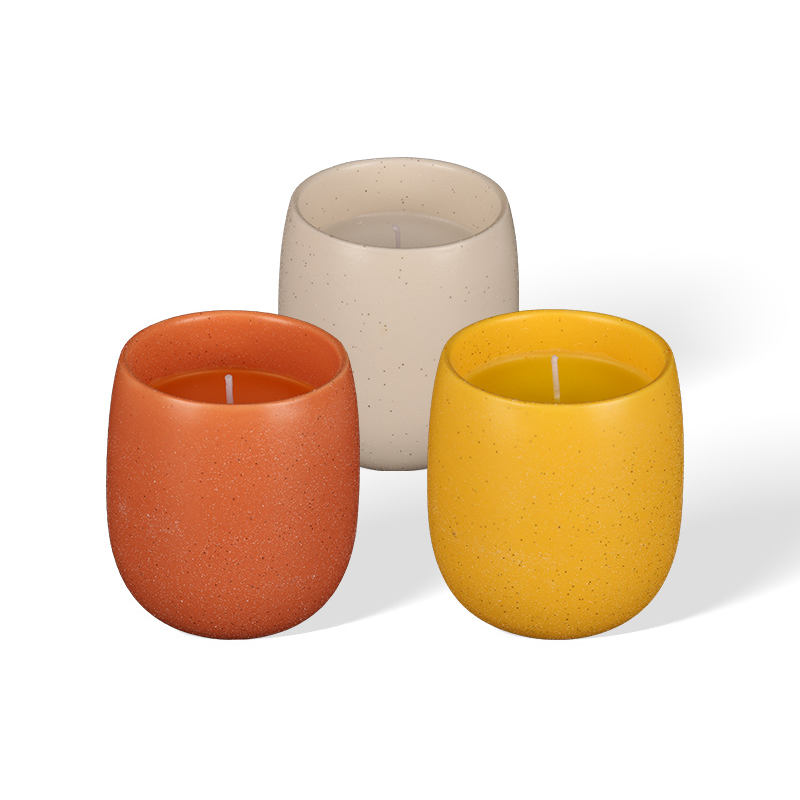
Ceramic excels in environments where heat control dictates safety. The manufacturing process fundamentally alters the clay, creating a material perfectly suited for open flames.
The molecular structure of fired clay acts as a natural insulator. As the candle burns, the ceramic absorbs the thermal energy but dissipates it slowly. This keeps the exterior walls and the base significantly cooler than metal alternatives. You can comfortably touch the outside of a thick ceramic vessel even after hours of continuous burning. This slow thermal transfer protects users from accidental burns when moving lit candles across a room.
Thick ceramic bases provide a reliable physical barrier. This insulation prevents heat rings, scorch marks, or melted finishings on delicate wooden furniture. You rarely need additional coasters or protective mats when utilizing a well-designed ceramic piece. The thick bottom absorbs the intense heat generated when a wick burns down to its final half-inch. We rely on this feature when setting up displays on antique tables or rented event furniture.
Physical stability is a non-negotiable safety feature. Active households and crowded event spaces require heavy, grounded decor.
Ceramic has a higher specific gravity than most decorative glass. This inherent density anchors the holder firmly to the table. A heavier base lowers the overall center of gravity, making the setup highly resistant to accidental nudges. When someone bumps the table, a heavy ceramic piece is far more likely to slide slightly rather than topple over. We look for pieces with a wide, weighted bottom to maximize this effect.
Tall taper candles create significant leverage. In drafty environments or high-traffic areas, this leverage can easily tip a lightweight holder. Heavy ceramic bases counteract this force. They keep the candle perfectly upright even near open windows, HVAC vents, or active walkways. A solid ceramic base neutralizes the wind resistance against the tall wax column.
The moldability of wet clay allows for highly functional designs. Traditional chamberstick styles frequently incorporate integrated finger loops or handles. These ergonomic additions enable the safe transport of lit candles from room to room without burning your hands or spilling hot wax. You can carry the light source securely during power outages or when shifting event layouts.
Investing in durable decor yields better long-term results and reduces replacement frequency.
High-fired ceramic resists oxidation, fading, and structural degradation over time. Unlike metal that rusts when exposed to humidity, or thin glass that chips in the dishwasher, ceramic withstands daily wear and tear. The hardened glaze protects the core material from moisture, dust, and staining. You can wipe it down aggressively without fear of scratching the surface.
Ceramic holders offer an excellent secondary lifecycle. Once a pillar candle is exhausted, you can easily clean the vessel. These pieces frequently find new life as premium tableware, succulent planters, or elegant desk catch-alls. This versatility adds substantial return on investment. A beautifully glazed ceramic jar never needs to be thrown away after the wax is gone.
For high-frequency use in hospitality or event venues, fragile glass requires constant replacement. Ceramic withstands the rigorous cycle of packing, transit, usage, and cleaning. The durability strongly favors ceramic for operators looking to minimize replacement expenses. You maintain a consistent inventory of pristine decor without constantly reordering broken glass cylinders.
Event planners demand decor that balances visual impact with practical execution. A ceramic vessel serves as an ideal wedding & dinner table centerpiece due to its unique lighting and aesthetic properties.
Opaque ceramic contains the lower portion of the flame. It directs the light upward rather than outward. This strategic light control establishes a warm, romantic mood. It illuminates the table without blinding guests or creating harsh glare across the dining space. The soft, upward glow flatters faces and highlights floral arrangements beautifully. We use opaque vessels specifically to hide the messy melted wax pool from the guests' line of sight.
Ceramic glazes offer immense design flexibility. You can choose matte finishes for rustic settings, reactive glazes for bohemian themes, or high-gloss white for formal affairs. These finishes integrate seamlessly into diverse tablescapes without clashing with existing plates or glassware. The right glaze bridges the gap between vintage charm and modern minimalism.
Selecting the right height and footprint dictates the success of a table layout. A low-profile ceramic bowl maintains clear sightlines across a dining table, encouraging conversation. Simultaneously, its wide rim ensures complete wax containment. This protects expensive rented linens from stubborn stains. We always measure the base width against the available table real estate to ensure plates and glassware fit comfortably.
Standardizing table decor with uniform ceramic pieces offers logistical benefits. They stack efficiently, withstand bumpy transit, and survive repetitive, rapid cleaning processes between weekend events. Planners can build a reliable inventory that performs consistently across hundreds of different venue setups. You spend less time sorting broken pieces and more time designing the layout.
Classical design elements add immediate sophistication to any room, drawing the eye and anchoring the decor.
The moldability of clay allows artisans to replicate intricate architectural motifs. A roman pillar taper candle holder utilizes fluted columns and tiered bases to elevate room aesthetics. These structural designs cast dramatic shadows and serve as standalone art pieces even when unlit. They bring a sense of historical permanence to modern living rooms or formal dining areas. We often use these as statement pieces on fireplace mantels or entryway consoles.
Precision matters when displaying tall tapers. High-quality ceramic molds ensure precise inner-diameter measurements. This accuracy guarantees that standard taper candles sit perfectly plumb. A snug fit prevents leaning, which in turn stops uneven burning and excessive wax dripping down the sides of the pillar. If the socket is too wide, the taper will lean and create a fire hazard. Ceramic molds provide the exact tolerances needed for a secure fit.
The finish of the ceramic dictates its maintenance requirements and long-term appearance. You must match the finish to your operational capacity.
Glazed ceramic features a glass-like surface that repels liquid wax. Once cooled, spilled wax pops off easily with minimal effort. In contrast, unglazed ceramic is highly porous. Materials like raw bisque or terracotta will absorb melted wax. The wax seeps into the pores, leaving permanent dark stains, especially if the wax is colored or heavily scented. Over time, an unglazed piece looks messy if not carefully managed.
If you prefer the matte, earthy look of unglazed clay, apply a clear, matte sealant before use. This invisible barrier prevents wax absorption. For high-volume event usage where rapid cleaning is mandatory, always opt for fully glazed interiors. Alternatively, utilize disposable metal or glass drip protectors inside raw ceramic vessels. These inserts catch the wax before it touches the porous clay.
The density that provides stability also introduces logistical challenges for those managing large inventories.
Ceramic is heavy. For large-scale event planners, this density increases shipping costs. Transporting dozens of thick ceramic centerpieces requires substantial physical effort. You need reinforced storage bins that can handle the combined weight without buckling. You must factor this weight into your setup and teardown labor calculations. A single crate of ceramic holders can easily exceed fifty pounds.
Ceramic can chip if pieces forcefully collide. Implement strict padding requirements during transit. Use custom foam inserts, heavy-duty bubble wrap, or individual cardboard dividers. These materials prevent friction and impact damage between venues. Never stack heavy ceramic pieces directly on top of one another without a protective buffer. We recommend using compartmentalized catering crates for safe transport.
The manufacturing process directly impacts durability, heat resistance, and visual longevity. You need to know what you are buying.
Always prioritize high-fired stoneware over low-fired earthenware. Stoneware is fired at much higher temperatures, vitrifying the clay into a dense, non-porous material. It offers superior heat resistance and structural strength. Earthenware remains relatively soft. It is far more prone to chipping and thermal cracking under the stress of a hot flame. We strictly use stoneware for commercial applications.
Examine the surface closely under good lighting. Look for a smooth, continuous finish. Avoid pieces with excessive pinholes, rough patches, or crazing. Crazing appears as a network of fine cracks in the glaze. These imperfections trap liquid wax, making cleaning difficult and potentially weakening the structure over time. A flawless glaze indicates careful manufacturing and proper kiln temperature control.
Visualizing the final setup prevents tipping hazards and ensures proper proportions.
Evaluate the footprint of the holder relative to the intended height of the candle. A general guideline is that a 10-inch taper requires a proportionally wider, heavier base than a standard tealight. If the base feels lightweight or the stem is excessively narrow, it will not safely support a tall candle in a drafty room. Always test the balance before lighting.
Candle Type | Recommended Ceramic Holder Style | Key Stability Feature |
|---|---|---|
Tall Taper (10 to 12 inches) | Chamberstick or Wide-Base Pillar | Low center of gravity, minimum 4-inch base diameter |
Thick Pillar (3 by 6 inches) | Flat Ceramic Plate or Shallow Bowl | Raised rim for wax containment, flat interior surface |
Tealight / Votive | Enclosed Ceramic Jar or Cup | Thick walls for heat insulation, opaque sides for light control |
Measure the exact base diameter of your preferred candles to ensure a snug, upright fit within the ceramic socket.
Apply a clear, matte sealant to any unglazed terracotta pieces to prevent permanent wax staining.
Select a holder with a thick, insulating base if you plan to display candles directly on delicate wood tables.
Pack ceramic holders in compartmentalized catering crates with foam dividers to prevent chipping during transit.
A: While they absorb heat, ceramic is a poor thermal conductor. The exterior and base remain significantly cooler than metal or thin glass. The immediate area near the flame will be warm, but the thick base protects underlying surfaces from heat damage.
A: For glazed ceramic, place the holder in the freezer for 20 minutes. The cold temperature causes the wax to shrink, allowing it to pop off cleanly. Avoid using metal utensils that can scratch the glaze. Use a plastic scraper if necessary.
A: Yes. Due to their higher density and weight, ceramic holders provide a lower center of gravity. This makes them one of the safest options for stabilizing tall taper candles against tipping in drafty rooms or high-traffic areas.
A: Stoneware is fired at higher temperatures, making it non-porous, highly durable, and resistant to wax stains. Terracotta is fired at lower temperatures, leaving it porous and more fragile. Terracotta will absorb melted wax unless you treat it with a sealant.
A: High-quality, kiln-fired ceramic is highly resistant to thermal shock. Standard candle heat is well within its safety threshold. However, extreme, sudden temperature changes, like pouring boiling water on a freezing cold holder, can cause cracking.
A: Absolutely. Because high-fired ceramic is durable and easy to clean, empty holders and jars are frequently upcycled. You can wash them out and use them as small planters, desk catch-alls, or integrate them into everyday tableware collections.


