


Views: 0 Author: Site Editor Publish Time: 2026-09-30 Origin: Site


Does your morning brew deserve a better cup? For many, that first sip of dark roast or evening herbal blend is a deeply personal ritual. Stepping into a chilly kitchen, the vessel you choose matters. It dictates the temperature curve. It changes the tactile experience. Recently, artisanal drinkware has surged in popularity across both professional cafes and home setups. But do these highly textured, rustic vessels actually survive the rigors of a bustling household? Let us break down the material science. We will explore their true durability and determine if they remain a practical choice for your daily caffeine routine.
Unique Aesthetics: Volatile high-heat kiln firing ensures no two pieces are identical, offering a premium handcrafted look.
Superior Thermal Mass: Dense bases keep beverages hotter significantly longer than standard glass or thin porcelain alternatives.
High Durability: Vitrified clay and specialized glazes resist chipping and scratching under heavy daily use.
Strictly Food Safe: Reputable manufacturers utilize completely lead-free and cadmium-free formulations.
Everyday Convenience: Fully microwave and dishwasher safe to meet the demands of modern lifestyles.
To truly evaluate these vessels, you need to look inside the kiln. The term reactive does not refer to a specific painted color. It describes an unpredictable chemical transformation. Understanding this process helps explain why these cups outlast cheaper alternatives.
A reactive glaze contains special variegating agents. These are typically metallic oxides like copper, iron, or cobalt. When exposed to blistering temperatures between 2,100°F and 2,300°F, these agents activate. The intense heat causes the liquid glaze to melt, pool, and crystallize across the clay surface. As the kiln slowly cools, the chemical reactions stabilize. This leaves behind mesmerizing multi-tonal patterns, speckles, and gradients. Standard dipping or painting methods simply cannot replicate this structural depth.
This volatile chemical reaction is hypersensitive to microscopic changes. A slight shift in ambient temperature alters the final look. The exact placement of the cup on the kiln rack changes the heat distribution. Even a microscopic difference in the initial glaze thickness means the reaction happens differently every single time. Consequently, every single piece develops a unique visual fingerprint. You get a studio-pottery aesthetic without the exorbitant custom price tag.
The highest quality options in this category rely on a robust stoneware base. Stoneware is an exceptionally dense, less porous type of clay. It requires much higher firing temperatures than basic earthenware. This high-heat vitrification process makes the core incredibly strong. For long-term longevity, choosing Stoneware Mugs ensures the beautiful swirling exterior is backed by a rugged, chip-resistant foundation.
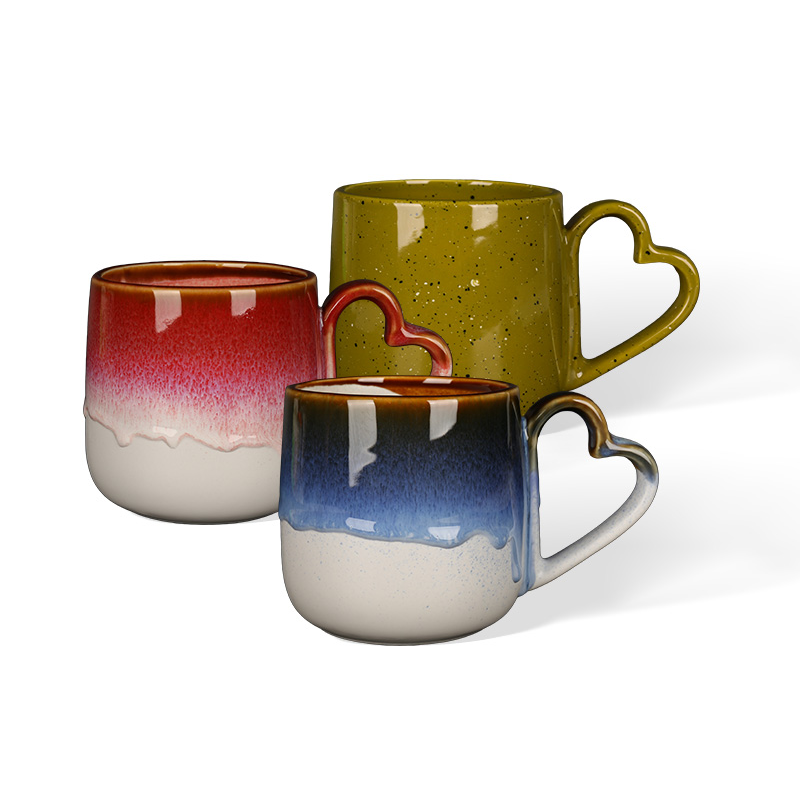
A daily drinkware piece takes a beating. Sudden thermal shock from boiling water tests the structural limits. The sharp clink of metal stirring spoons threatens the finish. Endless dishwasher cycles degrade inferior materials. How do these artisanal pieces hold up in a real kitchen?
Let us talk thermodynamics. The defining benefit here is thermal mass. A thick clay base combined with a dense glass-like exterior traps heat effectively. Dense materials conduct heat away from liquids much slower than thin walls. If you take 30 to 45 minutes to finish your morning brew, these vessels maintain the optimal 130°F to 140°F drinking temperature far longer than delicate bone china or standard borosilicate glass.
Durability drives purchasing decisions for kitchen upgrades. Because they are fired at extreme temperatures, the clay vitrifies. It becomes completely non-porous. Concurrently, the exterior melts into a hard protective shell. This surface is highly resistant to daily wear and tear. Stirring aggressively with a metal spoon or bumping a granite counter rarely results in chips, cracks, or ugly surface scratches.
Drinking a hot beverage engages touch and sight alongside taste. The substantial weight of the piece grounds the experience. Textured or slightly ribbed surfaces enhance tactile engagement. This makes them the ideal Coffee Tea Mugs for those who treat their morning routine as a moment of mindfulness rather than a rushed utilitarian habit.
When complex chemical formulations and metallic oxides are involved, safety is non-negotiable. Consumers rightfully question potential toxicity, especially when highly acidic liquids like dark roast coffee are involved.
Decades ago, some manufacturers used lead as a flux to lower melting points. This saved energy in the kiln while producing vibrant glossy colors. Cadmium provided intense pigmentation. Improperly fired, these heavy metals could leach into acidic drinks over time.
The global ceramic industry has evolved dramatically. Today, rigorous safety standards govern production. Reputable manufacturers utilize non-toxic, lead-free, and cadmium-free ingredients. Artisans now use safe alternatives like alkaline earth metals to achieve the exact same melting points and stunning chemical reactions safely.
Always check for explicit food safe and lead-free stamps on the base of the cup. Purchase from established brands that transparently share their testing data. Avoid using unverified antique ceramics or cheap souvenirs from unregulated markets for your daily consumption.
Market analysis reveals a pronounced shift in consumer behavior regarding daily tableware. Buyers are moving away from mass-produced uniform products. Instead, there is a surging preference for artisanal experiential pieces. Modern consumers increasingly view their morning brew as a holistic wellness ritual. Consequently, market data shows high demand for drinkware offering tactile engagement, visual uniqueness, and sustainable durability. Reactive glaze ceramics perfectly intersect with this trend. They deliver functional art that withstands harsh household use while elevating the specialty coffee experience.
To make an informed purchasing decision, weigh these artisanal options directly against the common drinkware currently sitting in your cabinet.
Standard pieces have uniform finishes that easily show silver scratch marks from spoons over time. Artisanal glazes feature variegated multi-tonal patterns. Combined with a much harder high-fired finish, they hide minor wear effortlessly. They often look brand new even after years of daily use.
While both share a durable base clay, the exterior finish dictates longevity. Unglazed or matte finishes remain slightly porous. This leads to stubborn tannin stains from dark teas and black coffee. A reactive finish seals the clay in an impenetrable glass-like barrier. This prevents liquid absorption entirely and makes stain removal incredibly easy.
Glass offers a sleek aesthetic but loses heat rapidly. Thin porcelain provides classic elegance but shatters easily if dropped in the sink. The high-fired artisanal alternative provides a rustic cozy aesthetic alongside a highly durable heat-retaining solution tailored for a busy routine.
Feature | Reactive Glaze Stoneware | Standard Earthenware | Borosilicate Glass | Fine Porcelain |
|---|---|---|---|---|
Heat Retention | Excellent | Moderate | Poor | Poor to Moderate |
Durability | High | Low | Moderate | Moderate |
Stain Resistance | High | Moderate | High | High |
Aesthetic | Artisanal, Unique | Uniform, Standard | Transparent, Modern | Elegant, Classic |
These pieces require minimal maintenance. However, understanding their material properties extends their lifespan and keeps the colors vibrant for decades.
In the vast majority of cases, yes. The high-firing process results in a remarkably low water absorption rate. The cup itself will not overheat in the microwave; only the liquid inside gets hot. The exception is if the piece features applied metallic accents like a painted gold rim. Always check the bottom for the manufacturer microwave-safe stamp before heating.
The vitrified nature of the exterior makes these items inherently dishwasher safe. High heat and water pressure will not melt or fade colors forged at temperatures exceeding 2,000°F. To maintain the beautiful glossy finish over many years, use gentle liquid dishwasher detergents instead of harsh abrasive powder pods.
Heavy coffee drinkers might eventually notice a slight brown film building up inside lighter-colored cups. This is caused by natural tannins. Avoid reaching for bleach or harsh metal scouring pads. Create a simple natural paste using baking soda and a few drops of warm water. Gently buff the inside with a soft sponge. The mild abrasiveness lifts the stains immediately without scratching the protective coating.
Navigating the home goods market requires more than just an eye for appealing colors. You must evaluate structural and ergonomic factors. Let us look at the engineering specs of a solid daily driver.
Physical weight indicates manufacturing quality. High-fired ceramics possess a dense internal structure because the clay particles fuse together into a glass-like state. A well-designed vessel features a slightly thicker base to provide a lower center of gravity. This prevents accidental tips on your desk. Look for capacities around 12 to 15 ounces. This offers the ideal equilibrium between thermal mass and daily usability, ensuring the piece feels substantial without causing wrist fatigue.
The handle is the most critical functional component. Examine the physical clearance between the handle and the body. Because these materials retain intense heat, a handle too close to the body will scald the backs of your fingers. Look for a design providing ample room for at least three fingers to rest comfortably inside the loop. Ensure the handle is wide enough to distribute the weight evenly.
Rim thickness dictates fluid dynamics. It controls how the liquid flows from the vessel onto your palate. Very thick rims are durable but can cause liquids to dribble down your chin. Paper-thin rims deliver liquid precisely but lose heat rapidly and chip easily. The ideal piece features a gently tapered lip. It offers the structural integrity of a thick wall while allowing the beverage to flow smoothly.
The visual allure of these items can sometimes mask subpar manufacturing practices. It is imperative to purchase from suppliers who prioritize safety and transparency. Reputable manufacturers openly state their firing temperatures and guarantee their glazes are free of heavy metals. Purchasing from established homeware brands mitigates the risk of acquiring decorative pieces not genuinely graded for daily food contact.
Evaluation Criteria | High-Quality Production | Low-Quality Decorative Pieces |
|---|---|---|
Material Base | Dense stoneware or high-fired ceramic. | Low-fired earthenware. |
Glaze Safety | Certified lead-free and cadmium-free. | Unknown composition. |
Thermal Mass | Excellent heat retention; thick base. | Loses heat quickly; uneven weight. |
Microwave Safety | Safe; body stays reasonably cool. | Unsafe; becomes dangerously hot. |
Scratch Resistance | High; resists marks from metal spoons. | Low; scratches or chips easily. |
Deciding to upgrade your daily drinkware comes down to balancing aesthetic desires with strict functional requirements. For consumers who view their morning beverage as a vital ritual, the vessel is a core component of the experience.
These unique pieces successfully bridge the gap between artisanal beauty and rugged daily utility. Unlike fragile glass that loses heat instantly or mass-produced ceramics that lack visual depth, high-fired pieces offer superior thermal retention. The cost-per-use ratio is incredibly favorable. Their resistance to thermal shock, dishwasher wear, and utensil scratching ensures they will remain a staple in your kitchen cabinet for years. If you value the sensory experience of your beverages and require uncompromising durability, making the transition is a highly logical choice.
The vessel you choose sets the tone for your entire day. By offering exceptional heat retention and unyielding durability, these items act as highly functional pieces of art. You do not have to sacrifice practical everyday convenience to enjoy beautiful handcrafted aesthetics. Take the time to explore premium collections of Reactive Glaze Ceramic Mugs to find your perfect match. Invest in a set that beautifully complements your personal style and elevates your daily routine.
No, they are highly resistant to scratching. The durability of a ceramic surface is dictated by its firing temperature. High-quality pieces are fired at extreme temperatures, causing the silica in the glaze to vitrify. It transforms into a hard glass-like coating that ranks high on the Mohs scale of mineral hardness. Standard daily activities, such as vigorously stirring sugar with a metal spoon, will not leave scratches or compromise the integrity of the finish.
If a ceramic piece becomes dangerously hot in the microwave while the liquid inside remains lukewarm, it indicates a severe issue with porosity. Microwaves utilize dielectric heating to agitate water molecules. Properly vitrified high-fired ceramics contain zero moisture. The microwave energy passes right through them to heat the liquid directly. A scorching hot handle means the material is low-fired and porous, allowing microscopic water particles to be absorbed during washing, which then boil in the microwave.
High-quality kiln-fired ceramics are specifically engineered to withstand standard thermal shock. The dense structural integrity of the stoneware base easily accommodates the rapid expansion caused by sudden heat. You can safely pour boiling water for pour-over coffee or steeped tea. However, extreme instantaneous temperature differentials can still exceed the laws of physics. Taking a cup directly from a freezing environment and pouring rapidly boiling water into it could cause a fracture. Under normal room-temperature kitchen conditions, boiling water poses absolutely no threat.
The stunning colors and patterns are entirely permanent. Unlike cheap paint or surface-level decals that peel after a few trips through the dishwasher, this type of finish is a structural component of the cup itself. Deep hues result from metallic oxides permanently melting and fusing with the clay body at temperatures exceeding 2,100°F. The color is baked deeply into the glass-like surface matrix. It is completely impervious to fading from UV light exposure or harsh dishwashing detergents.
They are exceptionally well-suited for both. For coffee enthusiasts, the primary advantage is thermal mass. The thick walls trap heat, preventing a large pour-over from turning tepid during a long morning meeting. For tea drinkers, the greatest advantage is the completely non-porous nature of the vitrified surface. Delicate white or green teas are highly susceptible to flavor contamination. The impenetrable glass barrier prevents the cup from absorbing residual oils from dark roasted coffees. A simple wash completely resets it.
Yes. Because the glaze is baked onto the clay at extremely high temperatures during manufacturing, the finish is permanently sealed. Standard home dishwashers cannot generate enough heat to affect the structural integrity of the glaze. Just ensure they are loaded securely so they do not rattle against heavy pots and pans during the wash cycle.
Reputable modern manufacturers produce products that are 100% lead-free and cadmium-free. While historic pottery sometimes relied on heavy metals to achieve bright colors, current food safety regulations prohibit this for daily drinkware. Always verify the manufacturer specifications to ensure the materials meet modern food-safe standards.


